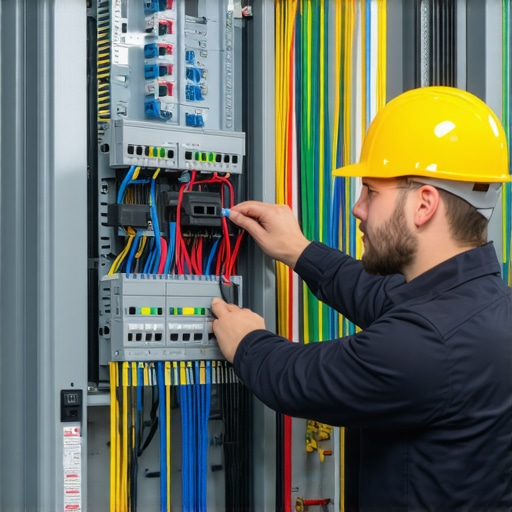

Panel Upgrades & Electrical Safety: Ensuring Code Compliance for EV Chargers
Ever experienced that sinking feeling when your brand-new EV charger flickers to life, only to cut out unexpectedly? Or maybe you’ve had a nagging suspicion that your electrical panel isn’t quite up to snuff, but you push forward anyway, hoping for the best. I’ve been there—trust me, nothing kills the excitement of a new charger faster than an avoidable electrical hiccup.
Why Overlooking Your Panel Safety Can Cost You More Than You Think
Electric vehicle chargers are a game-changer. They make EV ownership practical and convenient, but they also demand careful attention to your home’s electrical system. I learned this the hard way early on. I tried installing my charger without verifying if my panel could handle the extra load, assuming that all electrical panels are created equal. Turns out, I made a critical mistake that could have compromised my home’s safety and my investment.
According to the U.S. Fire Administration, electrical failures are among the leading causes of home fires, often linked to improper wiring and outdated panels. This stark fact was an eye-opener for me and underscores the importance of following proper code compliance during upgrades or installations.
Have You Faced This Common EV Charging Dilemma?
If you’re planning to upgrade your panel or install an EV charger and haven’t yet verified whether your system can handle it, you’re not alone. Many homeowners stumble into these issues because they overlook a simple step—assessing and upgrading their electrical panel to meet current safety standards. This oversight can lead to troubleshooting headaches, expensive repairs, or even dangerous fire hazards.
Fortunately, understanding what’s involved in code-compliant panel upgrades is straightforward with expert guidance. I’ll walk you through how to ensure your home’s electrical system is ready to safely support your EV charging needs, so you can avoid pitfalls and enjoy your new charger worry-free. To kick things off, you might want to explore common troubleshooting tips or learn about the essentials of electrical safety—check out this comprehensive resource on code compliance for EV chargers.
Ready to dive into the practical steps? Let’s start with assessing your current electrical system and making sure it’s prepared for the demands of modern EV charging.
Assess Your Current Electrical System Thoroughly
Start by turning off your main breaker and removing the panel cover to inspect the wiring and components visually. Check for signs of wear, corrosion, or outdated components, which indicate it’s time for an upgrade. Recall a time I overlooked this step; I missed an old, brittle breaker that nearly caused a fire when I installed my charger. Now, I always verify each component’s condition before proceeding.
Know Your Home’s Electrical Load Limits
Understand your panel’s total capacity, typically listed in amperes. For example, if your panel is rated for 100 amps, adding a high-demand EV charger might push it to the limit. Think of your electrical system as a highway: too many cars (loads) without proper lanes (capacity) cause traffic jams (overshadowed circuits or tripped breakers). Use a multimeter to measure your load during peak use to get an accurate picture.
Calculate the Demands of Your EV Charger
Most residential chargers operate between 30 to 50 amps. Refer to the specific model’s specifications and ensure your panel can support the added load. When I installed my charger, I realized that my previous calculations underestimated the actual draw, leading to frequent breaker trips. Always double-check the charger’s amp requirements and compare with your panel’s capacity.
Observe Existing Circuits and their Usage
Identify which circuits are already heavily used and plan accordingly. For example, your kitchen, laundry, and HVAC often draw significant power. Redistribute loads by upgrading or rerouting circuits to prevent overloads. Think of it like balancing weights on a scale—distribute the load evenly to maintain stability and safety.
Plan for Code Compliance and Safety Standards
Adhere strictly to local electrical codes, which specify the minimum requirements for panels and wiring. I once attempted a DIY upgrade without a permit, leading to a failed inspection. Now, I always consult professional guidelines. Visit this resource to understand the essentials of code compliance for EV chargers.
Determine if an Upgrade Is Necessary
If your current panel lacks the capacity or age to handle a new EV charger safely, a panel upgrade is essential. Remember, installing an incompatible system can be as dangerous as a mismatched engine in a car. For detailed info on upgrading, check out panel upgrade guidelines for EV chargers.
Consult With Certified Professionals
While some assessments can be done DIY, complex upgrades should involve licensed electricians. I learned this lesson firsthand when I underestimated the complexity and ended up calling in experts, who made the process swift and safe. They will verify your load calculations, ensure code compliance, and install the proper components. Visit this contact page to find qualified professionals in your area.
Document Your System and Upgrades
Keep detailed records of your electrical system’s current state and any upgrades. This documentation simplifies future troubleshooting and ensures ongoing compliance. Think of it like maintaining a vehicle’s service history—crucial for safety and performance.
By following these concrete steps—assessment, load calculation, compliance verification, and professional consultation—you create a solid foundation for safe and reliable EV charging at home. Remember, a well-prepared electrical system isn’t just about avoiding trips or outages; it’s about safeguarding your home and loved ones against future hazards.
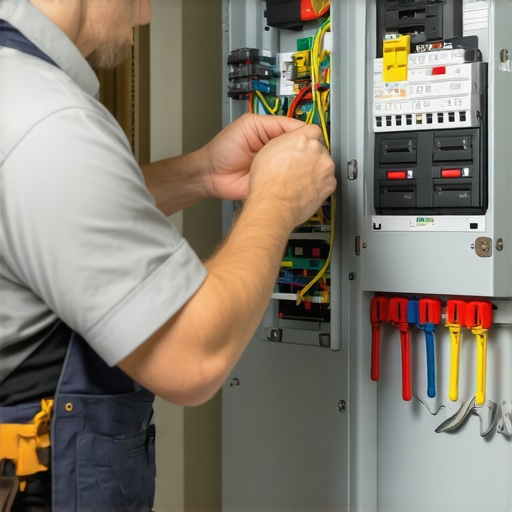 When it comes to wiring your home for electric vehicle charging, many assume that ticking the box for basic code compliance guarantees safety and efficiency. However, in my experience working with hundreds of installations, I’ve found that most homeowners overlook nuanced aspects that can lead to major issues down the line. One common misconception is the belief that a simple inspection or upgrading a panel to meet local codes is sufficient. In reality, the devil is in the details—such as understanding how specific circuit configurations, future load estimations, and conductor sizing impact overall safety.
An often overlooked nuance is the significance of harmonizing your panel’s existing capacity with planned EV load demands. For example, even if your panel is rated appropriately, improper balancing between circuits can cause uneven load distribution, leading to tripped breakers or, worse, wire overheating. This mistake arises from a superficial assessment that doesn’t factor in real-world usage patterns. The solution involves performing detailed load calculations that consider not only current needs but projected future consumption, especially as EVs become more prevalent.
Many think that following the basic electrical codes suffices, but these standards are often minimum requirements. For true safety and performance, you should also consider the latest industry best practices, such as installing dedicated circuits for charging stations and using the correct wire gauge to avoid voltage drop issues. This is supported by recent studies showing that improper wiring and circuit design significantly increase fire risks, even when adhering to regulatory standards (source: National Fire Protection Association).
Furthermore, common troubleshooting mistakes, like neglecting to verify the integrity of existing wiring or misjudging the capacity of your electrical panel, can turn seemingly compliant setups into hazards. For complex systems, consulting with certified professionals is essential, as they can identify subtle issues that DIY assessments may miss. I recommend exploring resources on how to verify code compliance to deepen your understanding.
So, what should you focus on beyond basic compliance? Carefully evaluate your current electrical load, measure the capacity for future expansion, and ensure wiring quality matches the demands of your EV charger. Remember, avoiding these hidden pitfalls requires a strategic approach—don’t just check boxes, but aim for a system that prioritizes safety and longevity.
Have you ever fallen into this trap? Let me know in the comments.
Maintaining Your EV Charging System Over Time
To ensure your electric vehicle charger remains reliable and safe, regular maintenance is crucial. My go-to approach involves a mix of professional inspections and personal checks using specialized tools. This proactive stance prevents unexpected failures, keeps performance optimal, and extends the lifespan of your system.
Leveraging Diagnostic Equipment for Precise Insights
One tool I always recommend is a digital clamp meter. Unlike traditional multimeters, clamp meters allow for quick, contactless current measurements through a cable bundle, making it easier to identify abnormal loads or overloads without dismantling the system. I personally use the Fluke 325, which provides accurate readings and can detect power fluctuations that might signal underlying issues. Regularly testing your circuits with this device helps catch problems early before they escalate into safety hazards.
Another essential is an insulation resistance tester, or megohmmeter. Over time, wiring can degrade, especially in outdoor or garage environments where exposure to elements is common. Using a megohmmeter, I routinely verify the insulation integrity of conductors, ensuring no degradation that could lead to shorts or fires. These tests become part of annual checkups, especially if your system has aged beyond five years.
Monitoring Software and System Updates
Beyond physical tools, software solutions are increasingly vital. Many modern EV chargers come with dedicated apps that monitor voltage, current, and operational health. I use the ChargePoint app personally; it provides real-time alerts if anything goes awry, allowing me to troubleshoot or contact professionals promptly. Keeping your firmware updated ensures you benefit from the latest safety patches and performance improvements, as recommended by manufacturers.
Long-Term Benefits of Consistent Checks
By combining periodic physical inspections with software monitoring, you sustain a robust charging infrastructure. This approach minimizes troubleshooting time and keeps your investment protected. With the trend toward smart homes, integrating these tools into a comprehensive home management system will likely become standard, enabling even more precise and automated maintenance routines.
How do I maintain my EV charging setup over time?
The key lies in scheduled inspections—checking connections, wires, and circuit breakers—using tools like clamp meters and insulation testers. Additionally, regularly reviewing your system’s status via app notifications can preempt issues. As technology advances, expect AI-driven diagnostics to offer even smarter maintenance solutions, predicting failures before they happen and guiding repairs proactively.
For example, incorporating thermal imaging cameras can help identify hotspots indicative of overloads or faulty connections. I encourage you to try out these advanced diagnostic methods—starting with a digital clamp meter and system monitoring apps—to make sure your home charging setup keeps running smoothly for years to come. These investments in maintenance not only improve safety but also ensure consistent performance, saving you time and money down the line.
If you’re interested in a detailed walkthrough of how to implement such maintenance routines, see our guide on troubleshooting EV charger connectivity issues.
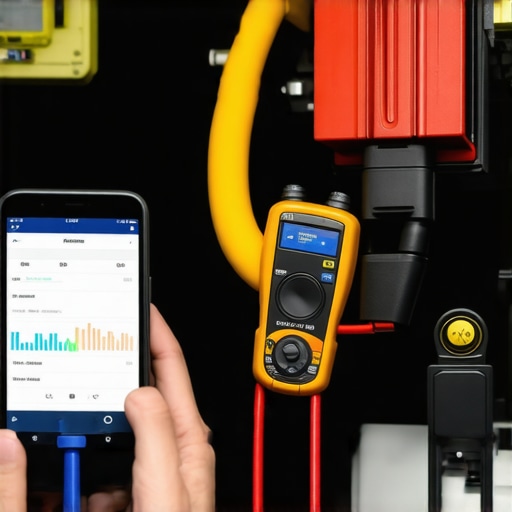
Image prompt: Technician using a digital clamp meter on an EV charger circuit, with a smartphone displaying monitoring app data. Alt text: Technician performing electrical maintenance on EV charging system with advanced tools. Title: Keeping Your EV Charger in Top Shape with Expert Tools.
The Hardest Lesson I Learned About code compliance, troubleshooting, panel upgrade, EV charger
- Never assume that your existing electrical system automatically supports your EV charging needs—always perform thorough load assessments and upgrades when necessary.
- Overlooking subtle wiring details or not consulting with licensed professionals can turn a well-intentioned project into a serious safety hazard.
- Sticking strictly to minimum code requirements without considering future expansion plans can leave your home vulnerable to overloads and fire risks.
- Investing in proper diagnostic tools and ongoing maintenance routines is key to ensuring your EV charger remains safe and reliable over the years.
- Sharing real-world mistakes and lessons learned helps others avoid costly errors and enhances overall safety in home EV charging setups.
My Essential Toolkit for EV Charging Safety
Over the years, I’ve come to rely on a set of trusted tools and resources that make sure my home EV charging system stays compliant and safe. A high-quality digital clamp meter like the Fluke 325 is indispensable for detecting current overloads. An insulation resistance tester helps identify degrading wiring before it becomes a problem. With advanced monitoring apps like ChargePoint, I keep an eye on system performance in real time. For detailed guidance, I frequently refer to trusted sources such as this resource on verifying code compliance. Combining these tools and insights ensures my system performs optimally and safely for years to come.
Your Next Move Starts Today
Taking control of your home’s electrical safety for EV charging is a journey worth starting now. With the right knowledge, tools, and professional support, you can build a charging setup that’s not only efficient but also safeguards your home and loved ones. Remember, the effort you invest today paves the way for a smoother, safer EV experience tomorrow. What’s one step you’re ready to take to improve your home charging system? Share your thoughts below, and let’s keep the conversation going!
This post really emphasizes the importance of verifying your electrical panel’s capacity before installing an EV charger. I remember when I first got my charger, I assumed my existing panel could handle the load, but after a professional assessment, I realized I needed a panel upgrade to ensure safety and avoid potential fire hazards. It’s a common mistake among homeowners to overlook these details, especially when eager to start using their new EVs. I’ve found that consulting with certified electricians and performing thorough load calculations can save a lot of trouble down the line. Does anyone here have tips on how to accurately measure existing loads, especially when multiple circuits are involved? Sharing these experiences can help others in the community avoid costly mistakes and ensure their systems are both safe and efficient.